Tree Service in Centerville, Fremont CA
What makes Centerville different
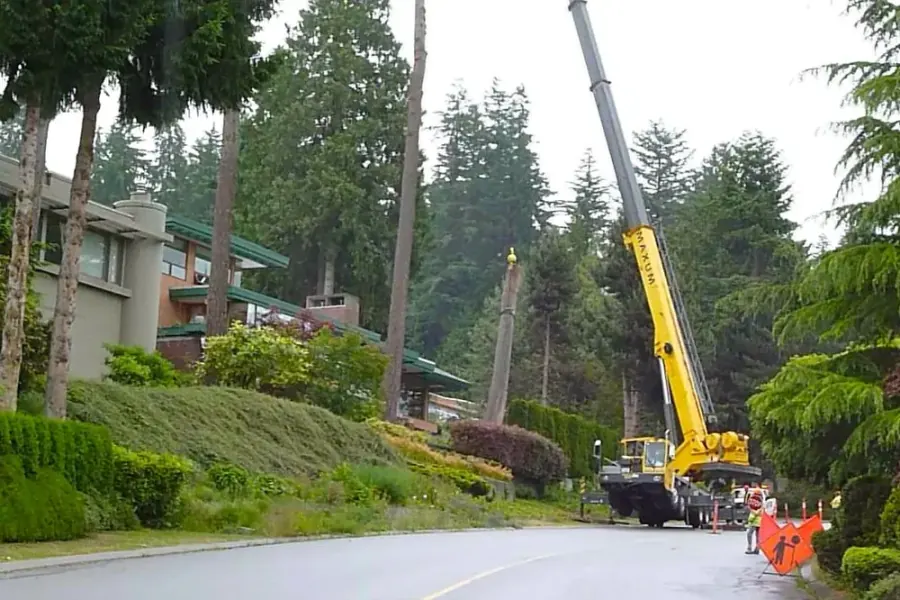
Centerville is Fremont’s classic post war residential district, and its tree population reflects a planting boom rather than a slow accumulation. It began as a farming settlement, started by George Lloyd, who sold cold beer to stage passengers from a tent in 1850. The post office opened as Centreville in 1855 and changed the spelling to Centerville in 1893.
Early Centerville was a quiet farming community formed from large Spanish land grants divided into smaller farms, with acres of apricot alongside other fruit and nut orchards and large fields of produce. Rail access supported a large cannery on Baine Avenue, which was destroyed in 1959 in the largest fire in Fremont’s history, a blaze that burned for two days and ended the district’s biggest employer.
Housing developments began appearing after the Second World War, including Glenmoor Gardens, bounded by Central Avenue, Fremont Boulevard, Mowry Avenue and the I-880 freeway. Centerville joined the unified city of Fremont on January 23, 1956. The trees that went in with those subdivisions are now seventy years or more into their lives, and that single fact drives most of the tree work here.
A canopy that ages all at once
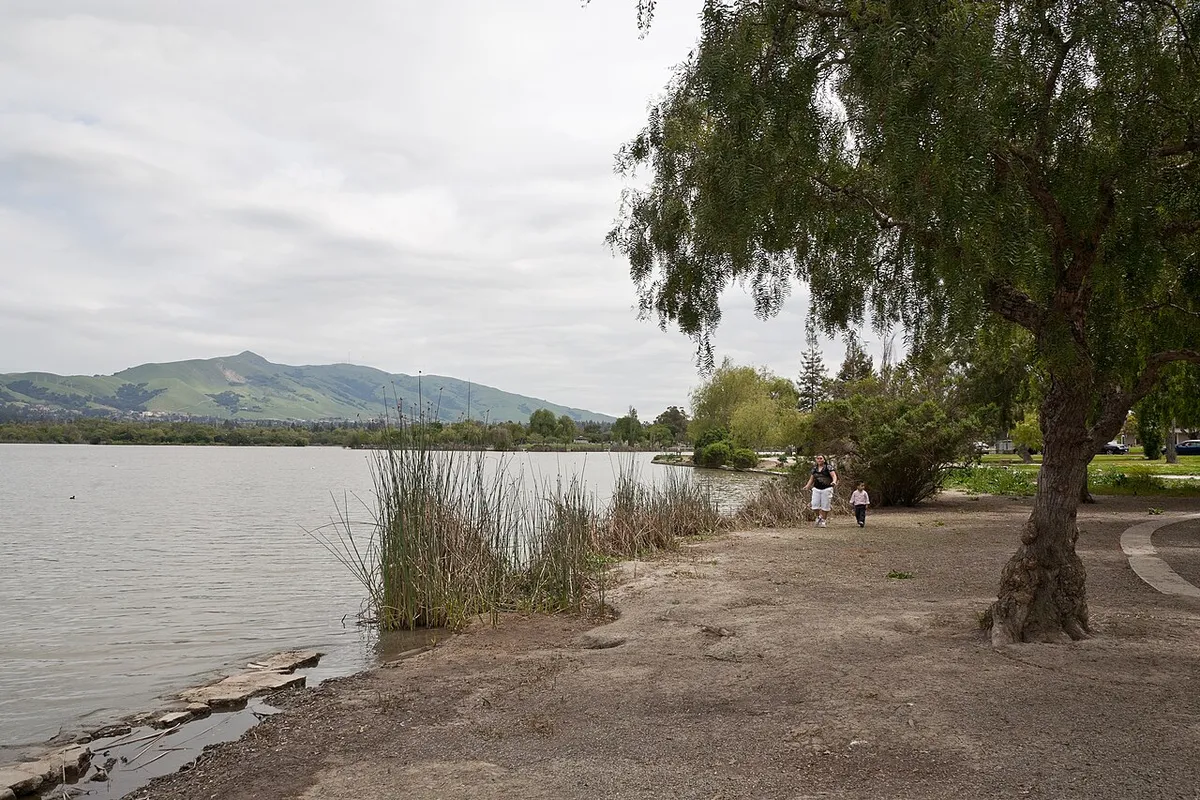
A tract planted in one season produces a canopy that fails in one cohort, which is why Centerville tree problems cluster rather than arriving gradually. Nothing happens for years, then a wet winter takes out three trees on the same block and everyone assumes it was the storm. The storm was the trigger. The shared planting date was the cause.
What pushes a cohort over the edge is Fremont’s rainfall pattern. NOAA 1991 to 2020 climate normals for the nearest station record 16.00 inches of annual precipitation with 13.08 inches of it, about 82 percent, falling November through March, against 0.33 inches across the whole of June through September. Soil goes from bone dry to fully saturated within weeks, and trees carrying decades of accumulated root decay are the ones that let go.
The practical implication is that assessment beats reaction. A tree evaluated in September can be removed on a dry weekday with a planned access route and a fixed price. The same tree evaluated in February, lying across a driveway, is an emergency callout with a surcharge and a claim. See emergency tree service for what that difference actually costs.
Reading a tree at the end of its service life
End of service life is a judgement about condition, not a fixed age, and there are five indicators to work through before recommending anything. Any one of them is worth monitoring. Three together usually means planning a removal rather than buying another trim.
Upper crown deadwood. Scattered small deadwood is normal. Progressive dieback from the top down, where the highest branches go first, usually means the root system can no longer supply the crown.
Cavities at major unions. A hollow at the fork where two large limbs meet is a structural problem, not a cosmetic one. That is where the load concentrates.
Decay fungi at the base. Fruiting bodies at or near the root crown indicate decay already well advanced inside the wood, because the visible mushroom is the last stage rather than the first.
Root plate movement. Soil cracking or heaving on one side of the trunk after a storm means the root plate is working. That is the most urgent sign on this list.
A history of shedding limbs. A tree that has dropped limbs in calm weather has told you what it intends to do next.
Orchard remnants and older garden trees
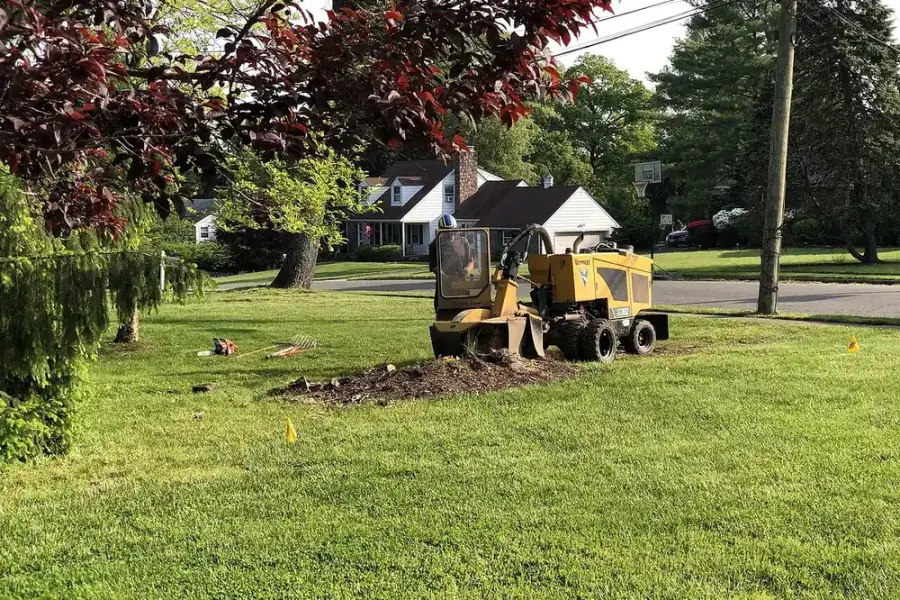
Occasional survivors of Centerville’s orchard era still stand in older back gardens, and they are worth identifying before anyone prunes them. The district was built on farms that grew acres of apricot along with other fruit and nut crops, and a few of those trees outlived the subdivision that replaced the orchard.
An old fruit tree needs renewal pruning, which is a different discipline from shade tree pruning. Renewal work opens the centre, removes crossing and unproductive wood, and brings fruiting wood back within reach over several seasons rather than in one aggressive cut. A crew that treats a seventy year old apricot like a shade tree will strip it and it will not recover.
These trees also carry value that condition alone does not capture. A tree that predates the house is often the reason someone bought the house. A good arborist tells you honestly whether it can be kept, and if it can, what the realistic annual commitment looks like. See tree trimming in Fremont.
Access, street trees and replanting
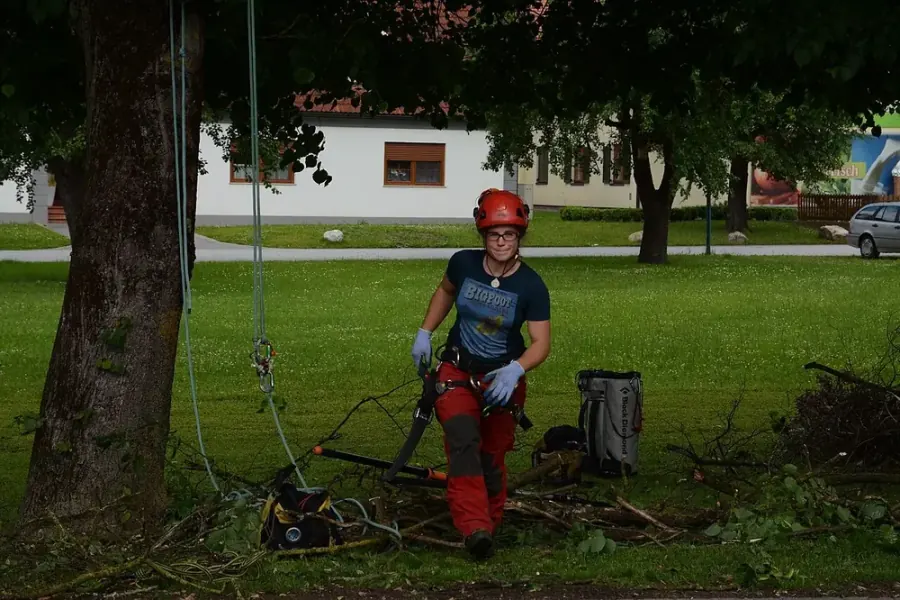
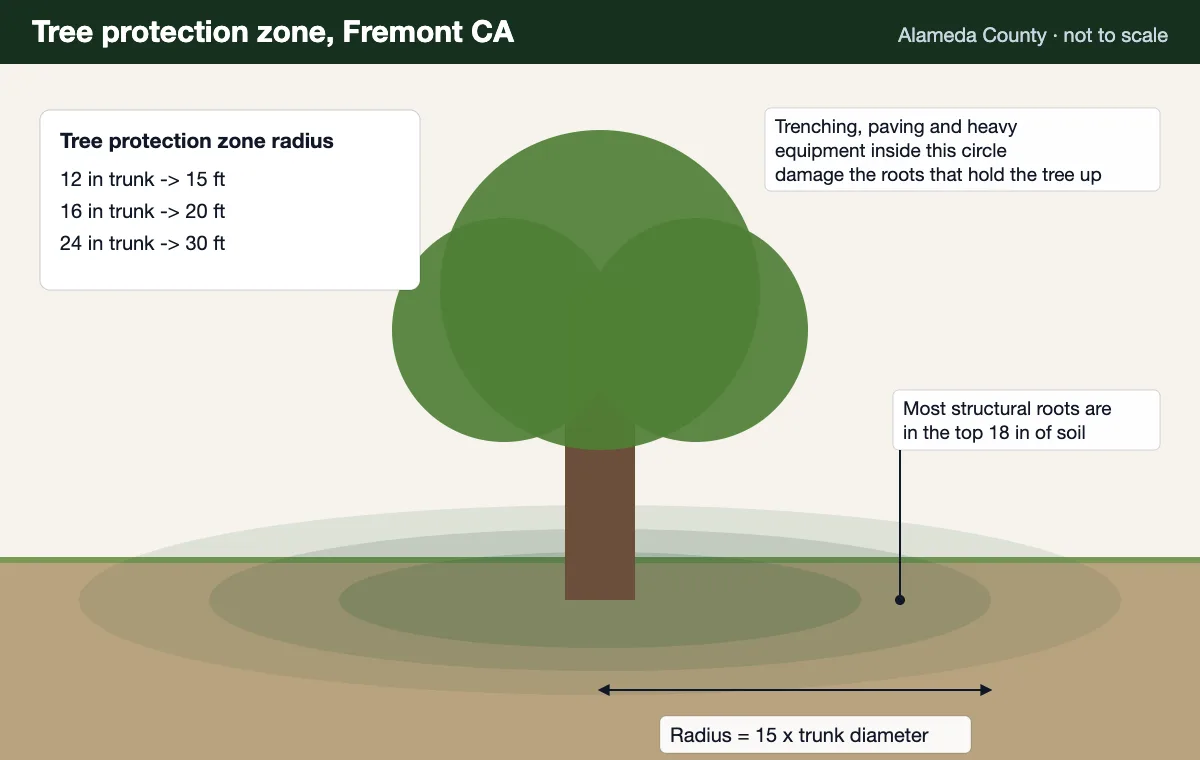
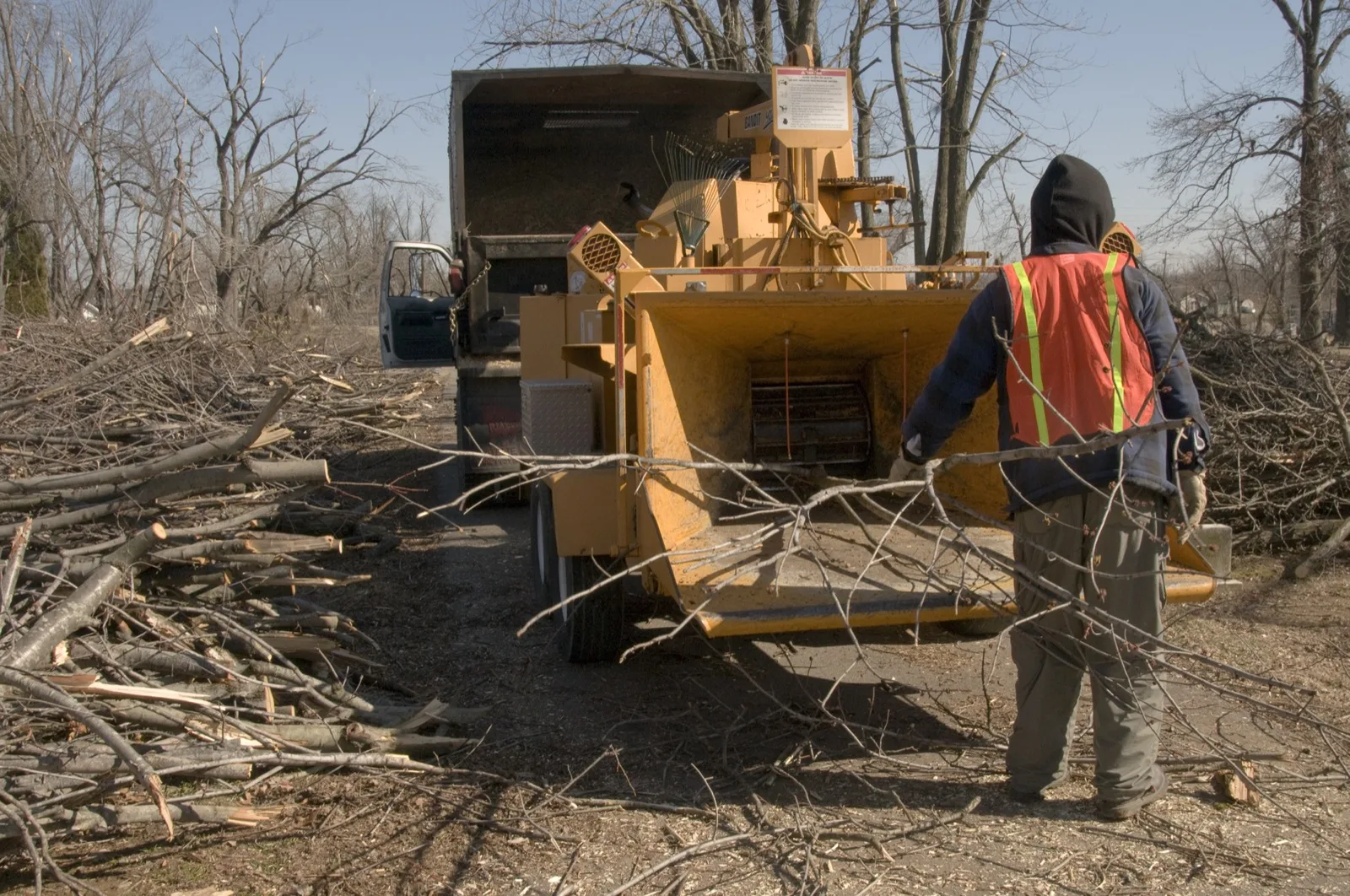
Gate width is usually the deciding access question in Centerville, because post war tract layouts include a side gate but rarely one sized for modern equipment. Where a chipper fits, the job prices at the bottom of its band. Where it does not, the wood is cut to haulable lengths and carried, which is more hours and should be stated on the quote rather than discovered on the day.
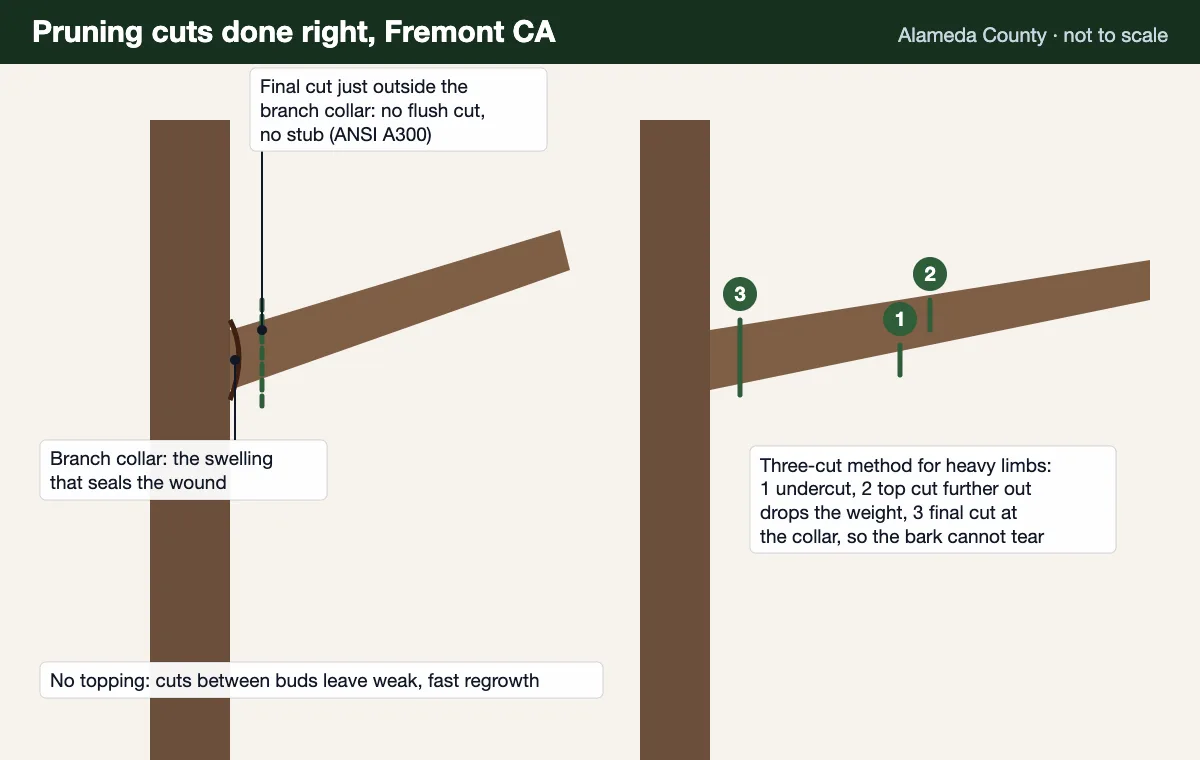
The verge trees are the other recurring question. Mature street trees in Centerville are frequently the City’s rather than yours, and Fremont Municipal Code Chapter 12.30 governs them: section 12.30.050 requires a permit and a certified arborist, section 12.30.060(b) prohibits topping, and section 12.30.070 requires a removed street tree stump to be ground to 24 inches below grade or removed entirely. See street trees in Fremont.
Finally, replant. A seventy year old tree takes shade, stormwater interception and street character with it, and a replacement needs decades to give those back. Plant sooner rather than later, choose a species sized to the space instead of repeating a large forest tree in a narrow verge, and do not plant into the old stump hole without a deeper grind and a soil swap. See stump grinding in Fremont.
How a Centerville job should run
- 1
Note roughly when the house was built
Centerville's residential fabric is largely post war, and the trees planted with those subdivisions are now seventy years or more into their lives. Knowing the era says what species to expect and whether this is a tree at the end of its service life rather than a tree with a fixable problem.
- 2
Look for end of service life indicators first
Before anyone quotes a trim, check for the things that mean a tree has run out of road: significant deadwood in the upper crown, cavities at major unions, root plate movement, and decay fungi at the base. A tree with those signs needs a decision, not a haircut.
- 3
Check protected and street tree status
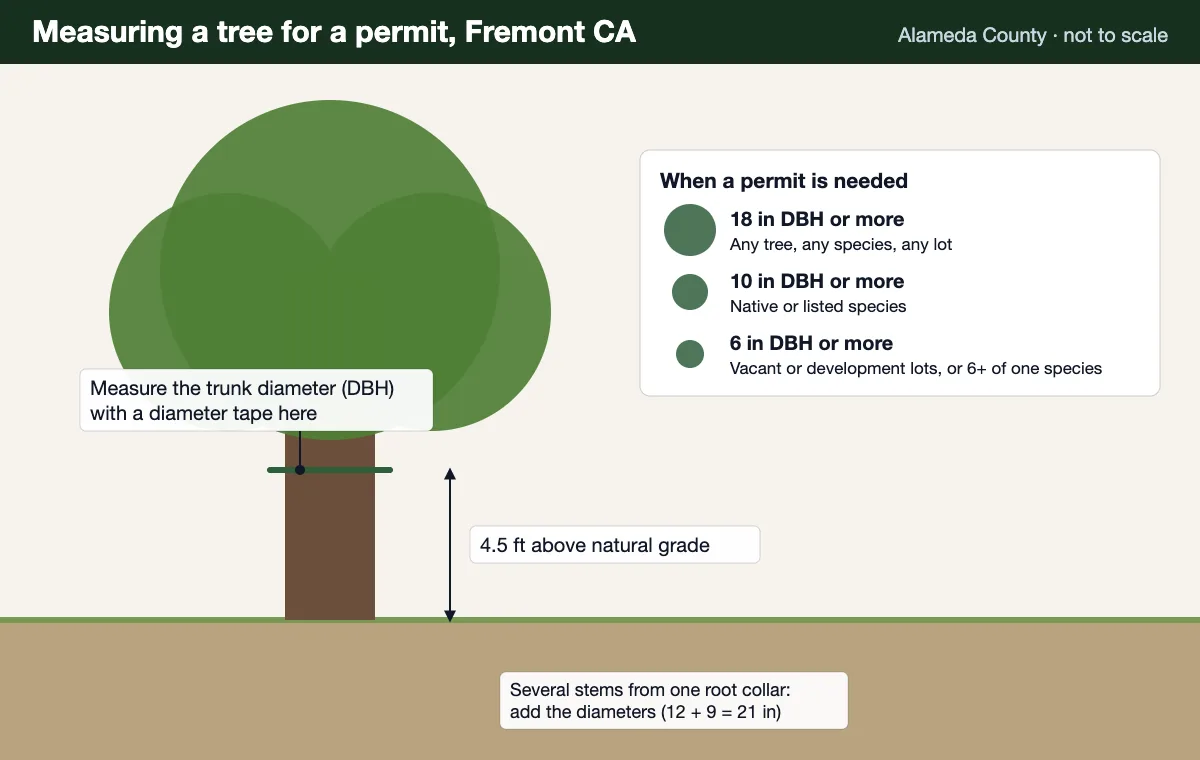
Fremont Municipal Code Chapter 18.215 covers protected trees citywide and Chapter 12.30 governs street trees. Centerville's mature verge trees are frequently the City's rather than yours, and street tree work requires a permit and a certified arborist under section 12.30.050.
- 4
Identify orchard remnants where they exist
Early Centerville was a farming community of apricot, fruit and nut orchards, and occasional survivors of that era still stand in back gardens. An old orchard tree needs different treatment from a shade tree, and it is often worth more to you than its condition alone suggests.
- 5
You get a written scope, not a verbal number
The quote names the trees, the cuts, the debris outcome, the access method, and the licence and insurance carried. On a mature tree near a single storey post war house, the difference between a rigged removal and a dropped one is the difference between a roof and a claim.
- 6
Plan replacement, not just removal
When a seventy year old tract tree comes out, the block loses shade it will not get back for decades. Plan what to replant and where to put it so the replacement does not repeat the original mistake of a large tree in a small verge.
Centerville tree service questions
Do you serve the Centerville district of Fremont?
Yes, Centerville is a core part of the service area and the district where end of service life decisions come up most often. Centerville was one of the five towns that unified into the city of Fremont on January 23, 1956, and much of its residential fabric, including Glenmoor Gardens, was built after the Second World War. Send the address through the form for a free estimate.
Why are so many Centerville trees reaching the end of their lives at once?
Because they were planted at once. Housing developments began appearing in Centerville after World War II, including Glenmoor Gardens, bounded by Central Avenue, Fremont Boulevard, Mowry Avenue and the I-880 freeway. A tract planted in a single season produces a canopy that ages in a single cohort, so the failures cluster rather than arriving gradually. That is why a street can go years without an incident and then lose three trees in two winters.
What does end of service life actually mean for a tree?
It means the tree has reached the point where the cost and risk of keeping it exceed what it still contributes, which is a judgement about condition rather than a fixed age. The indicators to look for are extensive deadwood in the upper crown, cavities or decay at major branch unions, fruiting bodies of decay fungi at the base, root plate movement, and a history of limb shedding. One of those is worth monitoring. Three together usually means planning a removal on your terms rather than the weather's.
Are there still orchard trees in Centerville?
Occasionally, and they are worth identifying before anyone prunes them. Early Centerville was a quiet farming community formed from large Spanish land grants divided into smaller farms, with acres of apricot along with other fruit and nut orchards and large fields of produce. Survivors from that era sometimes remain in older back gardens. An old fruit tree needs renewal pruning rather than shade tree pruning, and it usually carries more value to the owner than its structural condition alone would suggest.
Are the mature street trees in Centerville mine?
Usually not, and in a district with verge planting this old the question matters. Fremont Municipal Code Chapter 12.30 governs trees in the public right of way, section 12.30.050 requires a permit and a certified arborist, and section 12.30.060(b) prohibits topping while referencing the ISA Tree Pruning Guidelines. California Code of Civil Procedure section 733 separately provides treble damages for unauthorised cutting of trees on the street in front of a house. Check the boundary before you touch anything in the verge.
Do I need a permit to remove a tree in Centerville?
Possibly, because Fremont Municipal Code Chapter 18.215 protects trees by criteria rather than by district. Section 18.215.030 defines damage to include topping and cutting to include pruning and trimming, so the ordinance reaches routine maintenance as well as removal. Mature post war tract trees frequently meet size thresholds. Check the status of every tree before it is quoted. See the tree removal permit page.
How much does it cost to remove a mature tree in Centerville?
Published national ranges put tree removal at $385 to $1,070 with a $630 average (LawnStarter) and $400 to $1,100 with a $435 average (Fixr), and Bay Area pricing sits above both. For the 40 to 60 foot trees common in post war Centerville, Fixr's medium and large bands of $450 to $700 and $900 to $1,200 are the relevant starting points, and a real Fremont quote will sit in the upper half of them. See the tree removal cost page for the full tables.
Is Centerville in the fire hazard severity zone?
Generally no, because Fremont's very high fire hazard severity zone is concentrated along the eastern hills from Mission Peak south toward the Sunol border, and Centerville sits on the flatter western side of the city. Check your specific parcel on the City's address viewer regardless, since the boundary follows terrain rather than street lines. See the fire hazard severity zone page.
Can equipment get into a Glenmoor Gardens back garden?
Often yes, because post war tract layouts usually include a side gate, but the gate width is the whole question. A standard chipper needs more clearance than many original side gates provide, and where it does not fit the wood has to be cut to haulable lengths and carried. That is more hours and it belongs on the quote as a stated method. Include the gate width so the method is settled before you commit.
Should I replant after removing an old tract tree?
Yes, and the replanting decision is worth as much thought as the removal. A seventy year old tree removes shade, stormwater interception and street character that a replacement will not restore for decades, so planting sooner rather than later matters. Choose a species sized to the space rather than repeating the original mistake of a large forest tree in a narrow verge, and do not plant into the old stump hole without a deeper grind and a soil swap. See the stump grinding page.
Related Pages
Not sure if your tree has a future?
Send a photo of the base and the upper crown for a free estimate on whether it needs a plan or just a trim.
- Free written estimate, no obligation
- Check whether your tree is protected before work starts
- Ask any crew for its CSLB license and certificate of insurance
- Mark storm damage as urgent in your request